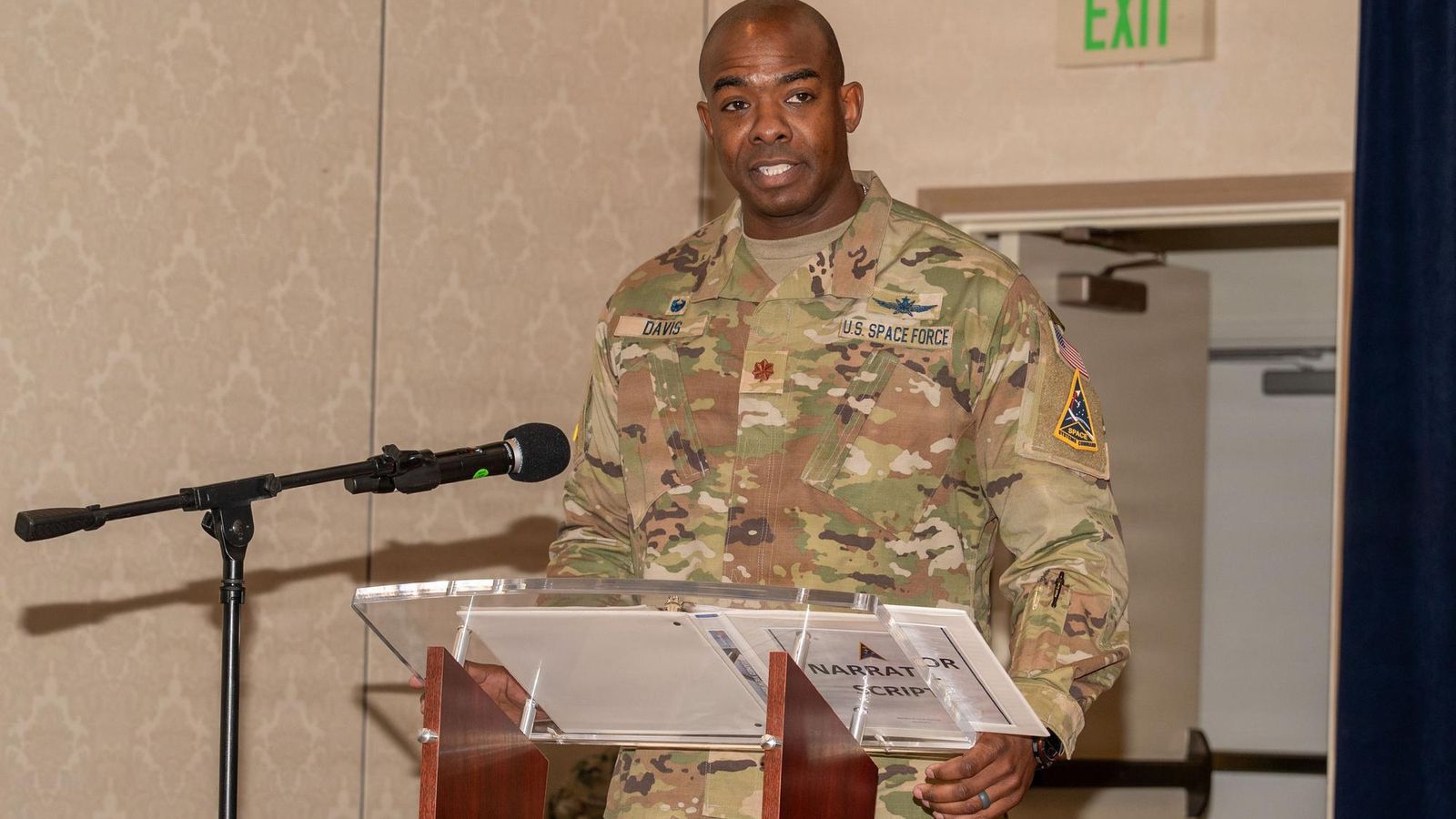
The U.S. Space Force's 630th and 645th Cyberspace Squadrons are now standing watch over rocket countdowns at Vandenberg Space Force Base in California and the Eastern Range in Florida, the country's two busiest orbital launch corridors. The 630th activated at Vandenberg on March 10, 2026, under Space Launch Delta 30. The 645th, headquartered at Patrick Space Force Base, was reassigned to Space Launch Delta 45 in September 2025 to cover the range that includes Cape Canaveral Space Force Station and NASA's Kennedy Space Center.
Both units carry the title Defensive Cyber Operations Squadron, a designation that did not exist at the launch-range level before this year. Their mission, Breaking Defense reported, is to monitor pad networks, range safety systems, telemetry links, and launch command-and-control channels in real time, then isolate an intrusion before it reaches hardware on the pad. Maj. Torius Davis, the 630th's commander, said access to space is critical to the nation's security, defense, and economy, and that adversaries are constantly looking for ways to deny, disrupt, or destroy the ability to launch.
Threats That Don't Wait for Liftoff
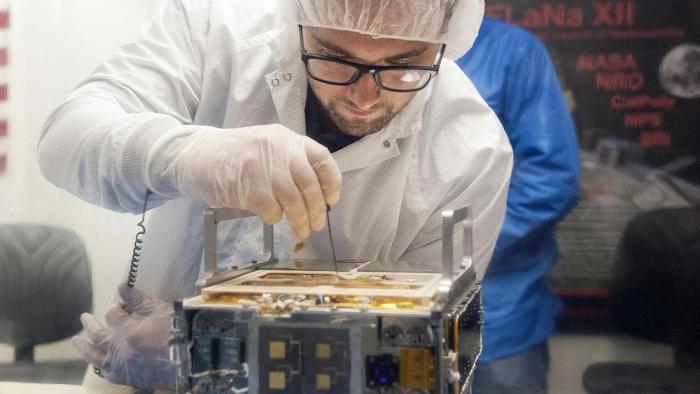
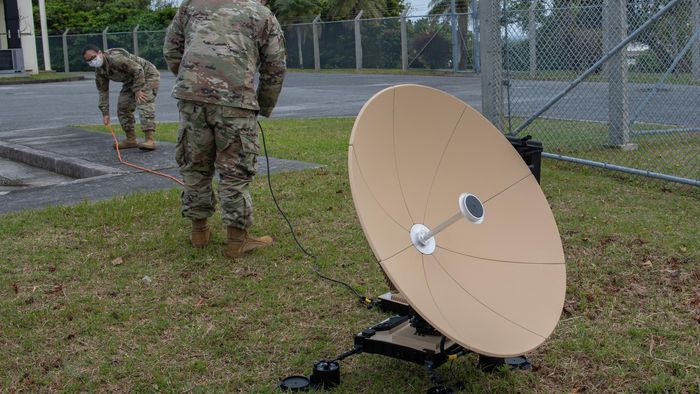
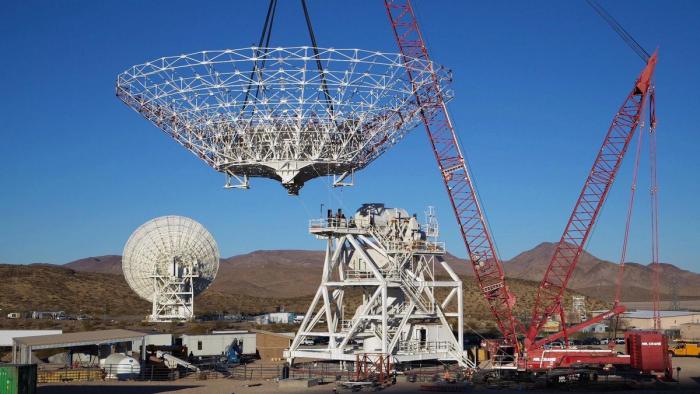
A launch countdown compresses risk into minutes rather than the months-long dwell time typical of network intrusions elsewhere. Radar, telemetry antennas, flight termination systems, fueling controls, and command networks are all tied together during that window, and Air & Space Forces Magazine noted that a disruption at any single point can delay or scrub a mission outright. The squadrons run continuous monitoring through the countdown itself, treating the final hours before liftoff as the highest-risk period, and spend the rest of the schedule on vulnerability assessments, patching, and threat intelligence aimed at denial-of-service attacks, command spoofing, and malware.
Drones Join the Threat List
Cape Canaveral is also getting new physical defenses. Space Force Col. Brian Chatman, who commands Space Launch Delta 45, told Defense One on the sidelines of the Air Force Association's Air, Space and Cyber Conference in National Harbor, Maryland, held September 14 to 16, that new counter-drone equipment from Joint Interagency Task Force 401, the Pentagon's counter-UAS task force, is coming to the Cape within weeks. Chatman said the base is "top of their list" for additional investment, with the aim of giving Cape Canaveral "holistic coverage" instead of the "pockets of coverage" it has today.
The urgency comes from volume. Cape Canaveral launched 109 rockets in 2025, breaking the prior record of 93, and Vandenberg and the Cape together supported 175 launches last year. A White House policy covered by Breaking Defense calls on the Pentagon to plan for facilities that could support as many as 1,000 launches and reentries a year by 2030, a more than fivefold increase over 2025. Every additional pad, vendor connection, and ground network expands the surface the new cyber and counter-drone units have to defend.
Cyber as the Whole Mission, Not an Add-on
Charleen Laughlin, the Space Force's deputy chief of space operations for cyber and data, framed the shift at Space Systems Command's Cyber Expo in April, telling attendees that space operations no longer begin at launch but in software, in architectures, in data flows, and in the cyber terrain underpinning every mission thread. She is scheduled to open the CyberSat conference in Washington on November 2, where launch-range defense is expected to be a recurring theme as the 630th and 645th approach their first full year on the job.
First reported by Breaking Defense and Air & Space Forces Magazine, with additional reporting from Defense One.