Technology
The technology layer decides whether a space system is defensible before it ever launches. This section covers the cryptography, authentication, standards, and architecture behind secure space systems, from post-quantum migration and signal authentication to secure-by-design frameworks for new missions.
9 articles in Technology.
 Latest story
CubeSpace Reaction Wheel's Firmware Check Wasn't a Signature at All
A CISA advisory finds CubeSpace's CW0057 satellite reaction wheel will run firmware with no valid signature if an attacker gets physical access to it.
Read article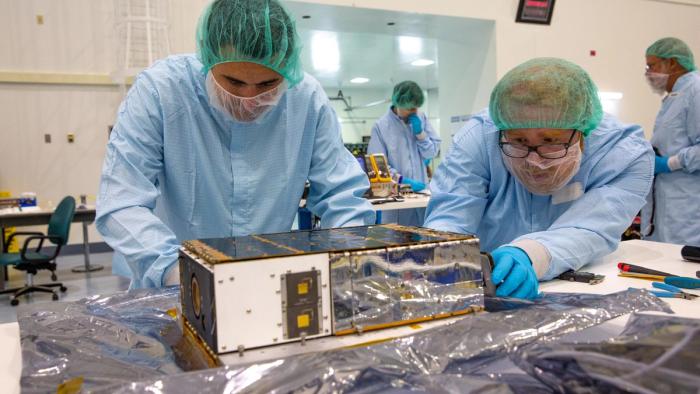
NASA Shelves AIT-GUI Spacecraft Console After Second Security Fix
NASA archived its open-source spacecraft command console two months after a critical flaw let outsiders send commands without logging in.
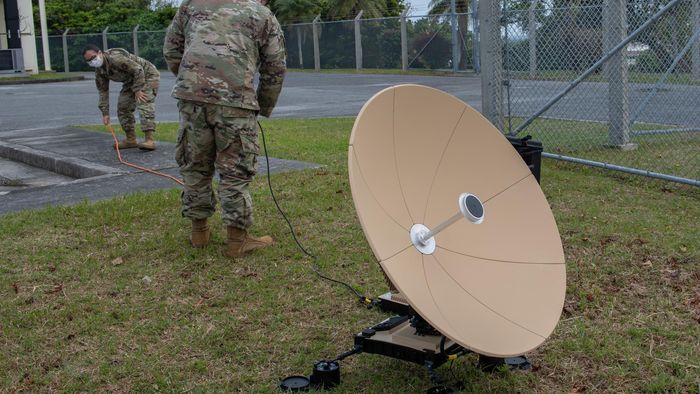
Inside the Four-Year Hunt to Crack the Starlink Terminal
A Singapore-Shanghai research team claims root access to SpaceX's hardened Starlink dish, the fourth distinct public attack on the terminal since 2022.
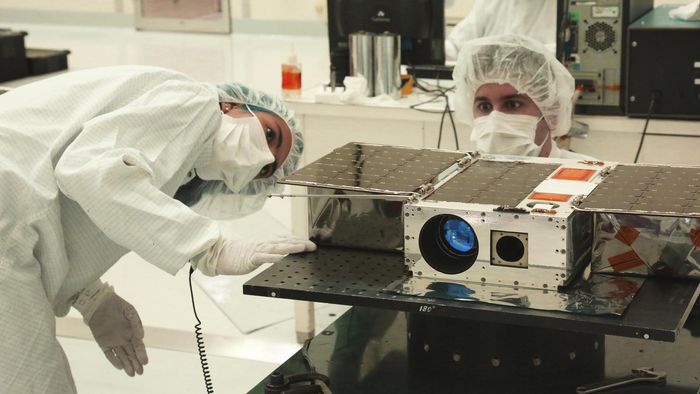
ESA's CyberCUBE Satellite Puts Cyber Defenses to a Real Orbit Test
A 3U CubeSat launched July 7 is now ESA's in-orbit testbed for intrusion detection, anti-jamming defenses, and post-quantum cryptography.
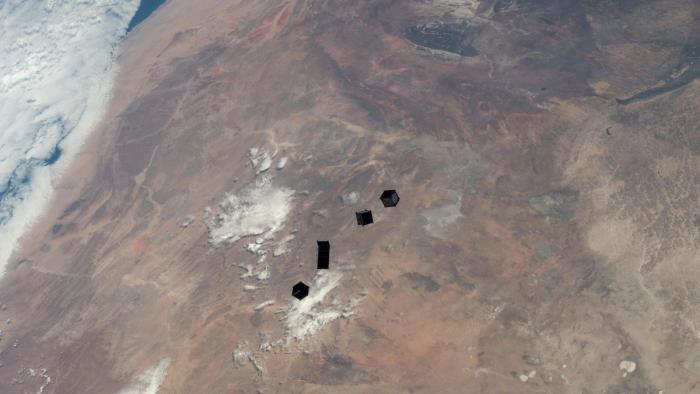
New Research Exposes DoS Weaknesses in LEO Satellite Scheduling
Two September 2026 papers show small botnets can manipulate Starlink-style beam schedulers and flood satellite links using far fewer resources than prior models assumed.
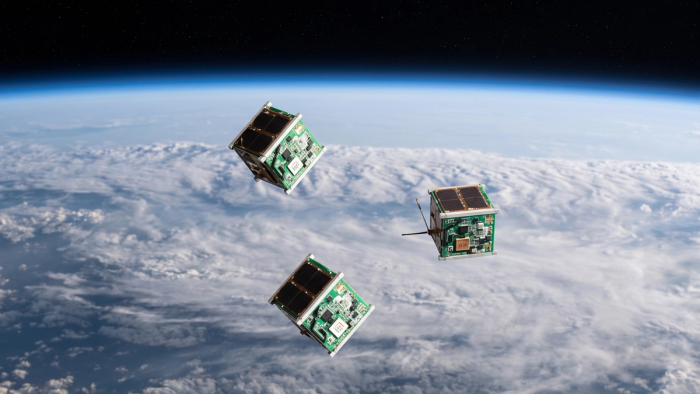
One Bug, Many Satellites: The Risk of Shared Flight Software
Small satellites increasingly run the same open-source flight and ground software, which means a single vulnerability can reach an entire fleet, from university cubesats to flagship missions.

The Answer to GPS Spoofing: Authentication and Alt-PNT
The GPS interference disrupting thousands of flights and ships exposes a design flaw satnav is finally fixing: the civilian signal was never built to prove it is real.

Post-Quantum by 2030: Why Satellites Are the Hardest Migration
A June 2026 US executive order pulls the federal post-quantum deadline to 2030. For satellites built to fly for 15 years and never be patched, the clock effectively started at launch.

IEEE Approves First International Standard for Designing Secure Space Systems
IEEE has approved P3536, the first international standard for designing cyber-secure satellites and ground systems, filling a gap left by voluntary guidance.